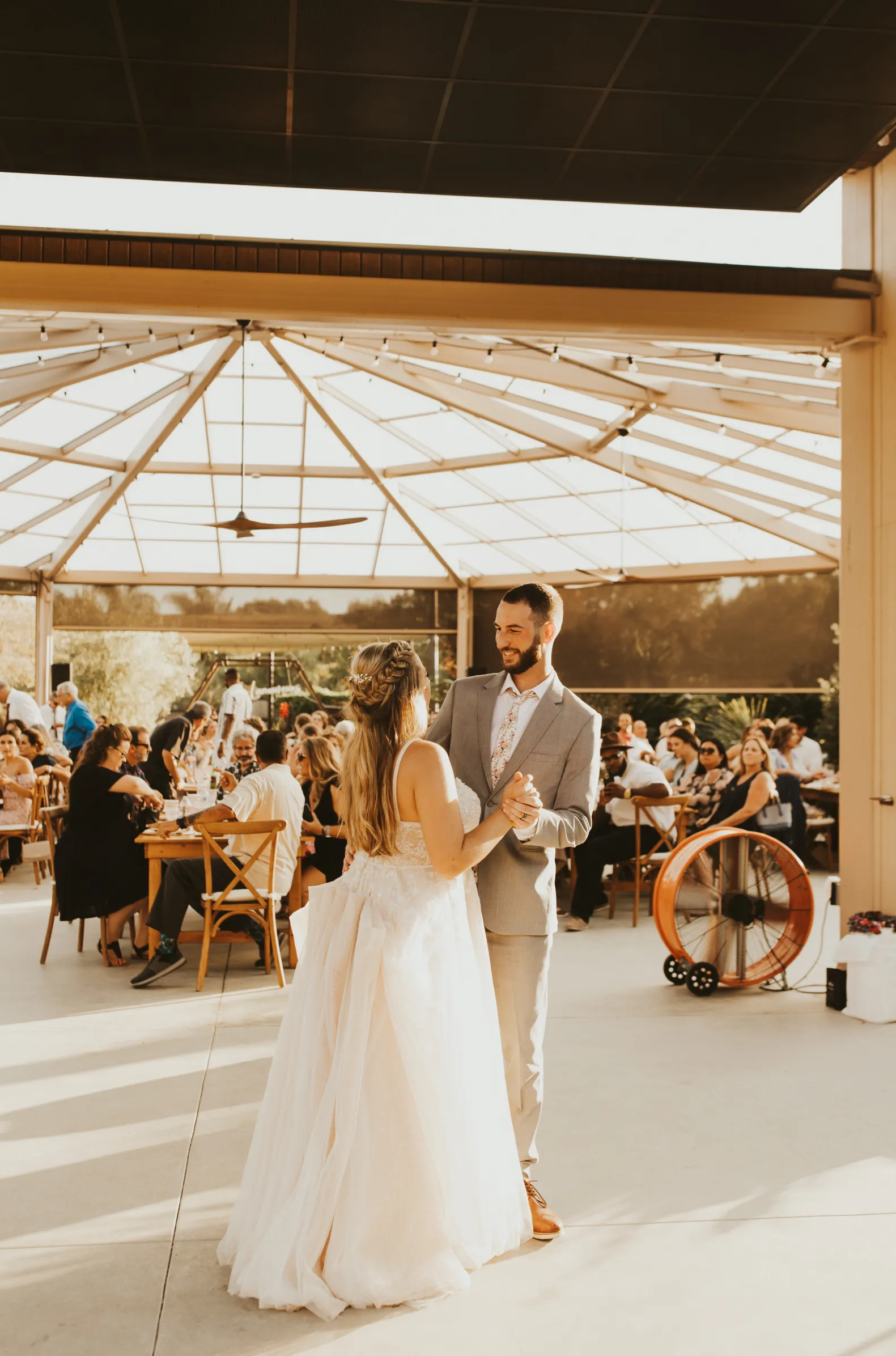
Perfect Outdoor Celebrations: Garden Wedding Venues & Tips
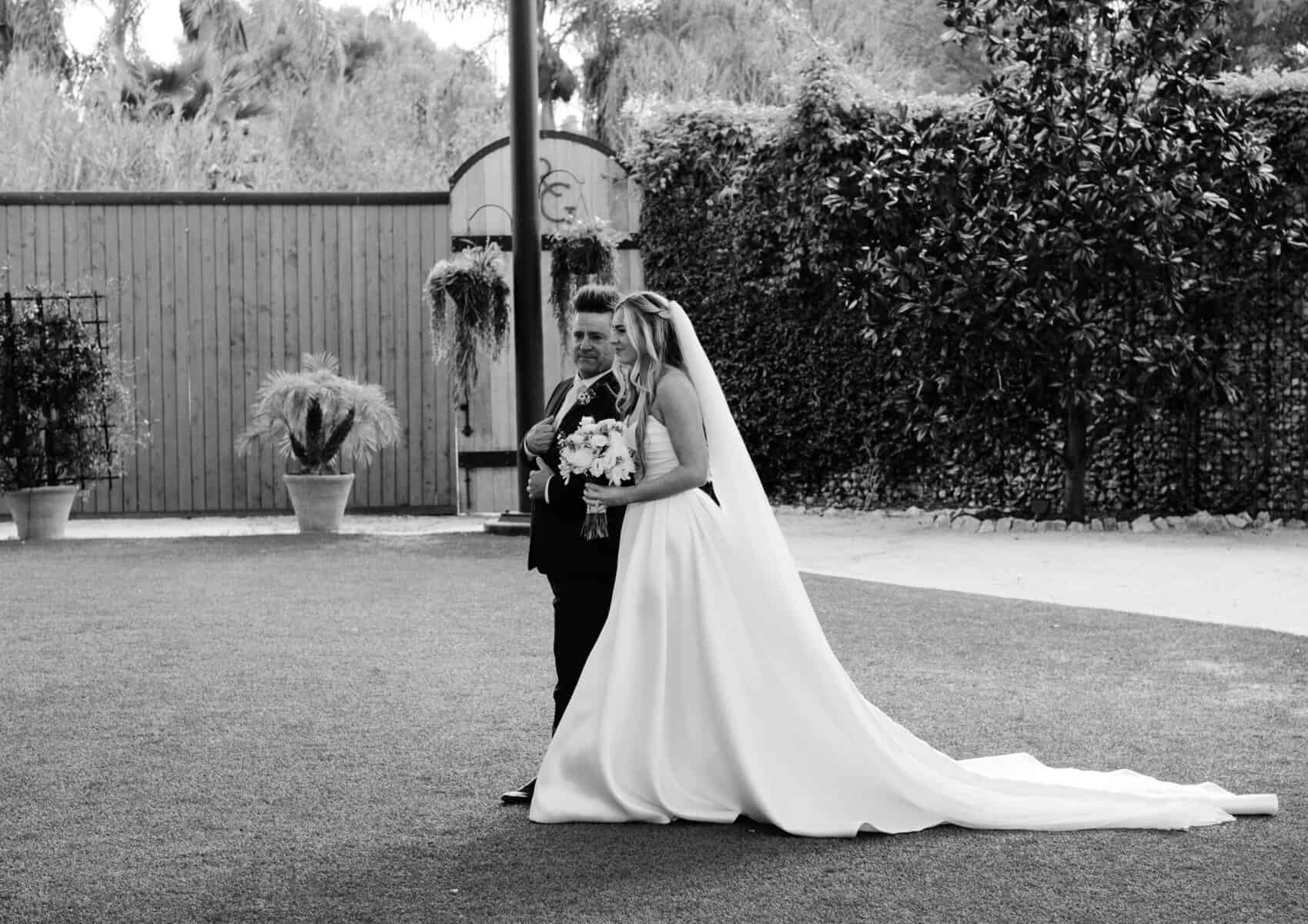
Venue: River Garden
Garden Wedding Guide: Expert Tips and Tricks for Your Perfect Outdoor Celebration
Garden weddings blend natural beauty with intimate celebration, creating outdoor wedding experiences that feel both romantic and relaxed. This guide delivers actionable garden wedding tips and garden wedding planning advice to help you select a venue, design decor, manage weather and guest comfort, budget smartly, and capture stunning photography all within an outdoor setting. Many couples struggle with logistics unique to outdoor events
—permits, weather contingencies, and vendor coordination
—that can derail an otherwise beautiful day; this guide outlines practical solutions and checklists to prevent common problems. You will find targeted sections on choosing outdoor wedding venues, picking the best season and rain plans, designing floral and lighting focal points, ensuring guest comfort, planning and budgeting with a printable-style checklist approach, and photography timing and shot lists. Throughout, keywords like outdoor wedding venues, floral arch wedding garden, wedding lighting string lights outdoor, and garden wedding checklist printable are woven into practical steps to make planning clearer and more manageable.
Understanding the foundational principles of garden design can further enhance the natural beauty and ritualistic structure of your wedding celebration.
Wedding Garden Design Principles
Through this investigation a set of design principles is collected, and then applied to a wedding garden design. Thoughtful design, incorporating knowledge of ritual, ritual structure, and
Landscapes For Celebration; An Investigation and Design of Wedding Gardens, 2003
How Do You Choose the Perfect Garden Wedding Venue?
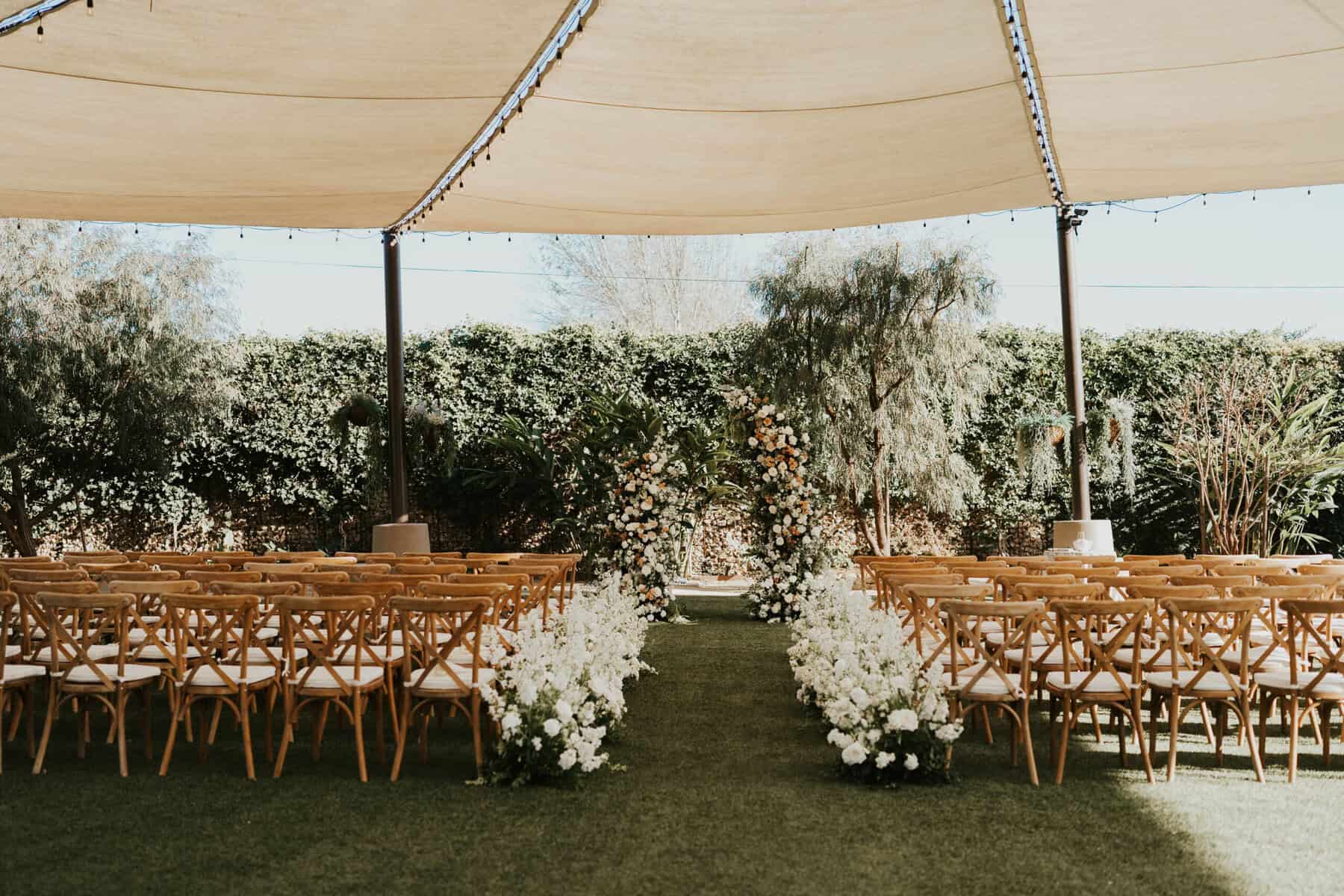
Venue: River Garden
Choosing the perfect garden wedding venue means matching a venue type to your guest list, budget, and logistical needs so the site supports your ceremony, reception, and vendor setup. The ideal venue supplies essential infrastructure
—power, restrooms, vendor access and parking
—and works with your planned guest experience to reduce surprises. Picking a venue that aligns with accessibility, noise/curfew rules, and permit requirements directly reduces day-of stress and keeps the ceremony on schedule.
Below is a concise checklist of the most important selection criteria to evaluate when touring potential outdoor wedding venues.
The following checklist highlights core venue evaluation points and why each matters:
- Capacity and layout: Ensure the space fits your guest count and allows separate ceremony and reception zones.
- Amenities and services: Confirm restrooms, power access, and on-site prep areas for caterers and florists.
- Permits and rules: Verify permit needs, noise curfews, and any restrictions on décor or catering.
- Accessibility and parking: Confirm guest parking, vendor access paths, and mobility accommodations.
These four criteria form a quick decision framework that clarifies trade-offs between aesthetics and logistics, and they lead directly into more granular comparisons of venue types and what to expect from each.
Before comparing venue types, review a compact table that contrasts common garden venue options and their practical attributes. This table helps map your priorities to the right venue class.
| Venue Type | Typical Capacity | Common Amenities | Permit & Cost Notes |
|---|---|---|---|
| Backyard | Small to medium | Home restrooms, minimal infrastructure | Often low to no rental fee; may need noise permits |
| Botanical garden | Small to large | On-site restrooms, maintenance staff | Permit requirements and strict rules; rental fees vary |
| Private estate | Medium to large | House access, catering prep space | Higher rental cost; often includes insurance requirements |
This comparison clarifies how control and convenience trade off against cost and rules. After narrowing venue type, the next important distinction is how specific features impact planning, which the next subsection examines.
What Are the Key Features to Consider in Outdoor Wedding Venues?
Key outdoor venue features
—restrooms, electricity, catering prep, and sheltered spaces
—determine whether vendors can operate smoothly and whether your guests remain comfortable throughout the event. Restroom quantity and proximity matter for guest flow; if a site lacks permanent facilities, factor in rental restrooms that meet accessibility standards. Reliable electricity is essential for lighting, caterer equipment, and sound systems, so confirm breaker locations and generator access when touring a site. Finally, vendor access paths and staging areas influence setup time and vendor fees, so confirm arrival windows and loading zones to avoid day-of delays.
Understanding these features leads naturally to comparing how different venue types provide or lack these amenities, which helps select the venue that minimizes vendor logistics while maximizing guest experience.
How Do Backyard Weddings Differ from Botanical Garden Venues?
Backyard weddings offer intimate control and flexibility, often allowing couples to personalize every detail and keep costs lower, but they usually require additional rentals for restrooms, tents, and professional cleanup. Botanical garden venues supply curated landscapes, built-in horticultural backdrops, and on-site facilities, yet they typically impose stricter decor rules, limited vendor lists, and permit processes that protect plantings. Backyard setups often shift costs into rentals and labor, while botanical gardens embed those costs in rental fees but reduce some logistical overhead. Understanding the trade-offs between creative freedom and formal restrictions helps you align the venue choice with your priorities for guest experience and budget management.
What Are the Best Seasons and Weather Plans for Garden Weddings?
Selecting the best season for a garden wedding balances ideal weather, seasonal flowers, and guest comfort while minimizing weather risk through well-defined contingency plans. In many temperate climates, spring and fall provide moderate temperatures and abundant seasonal blooms, making them top choices for outdoor ceremonies. Effective weather planning includes reserving tents or backup indoor spaces, hiring reliable tent and outdoor heating/cooling rentals, and drafting a clear vendor communication plan so everyone can pivot quickly if conditions change. Below is a compact seasonal reference for planning flowers and temperature expectations to guide your date selection.
| Season | Typical Temps | Pros | Cons & Recommended Flowers |
|---|---|---|---|
| Spring | 50–70°F | Fresh blooms and mild weather | Possible rain; choose peonies, ranunculus |
| Summer | 70–90°F | Lush greenery and long daylight | Heat management needed; choose sun-tolerant blooms |
| Fall | 50–70°F | Crisp air and warm tones | Shorter days; choose chrysanthemums, dahlias |
| Winter | 30–50°F (varies) | Dramatic lighting potential | Requires heated structures; choose evergreens, amaryllis |
This seasonal table helps pair date decisions with floral availability and risk tolerance, and it leads into short, prioritized rain and weather contingency measures that keep events on track.
Which Seasons Offer Ideal Conditions for Outdoor Celebrations?
Spring and fall are commonly ideal for garden weddings because they combine moderate temperatures and peak availability of seasonal garden flowers, giving couples a wide palette for floral arch wedding garden focal pieces. Spring brings fresh, fragrant blooms and new foliage that photograph well in natural light, while fall offers warm color tones and crisp air that are comfortable for guests. Summer can work if you plan for heat management
—shade, fans, or evening timing
—while winter ceremonies need robust heated structures and a willingness to work with limited seasonal flowers. Regional climate variations matter, so match the general seasonal guidance to local historic averages when confirming a date.
Choosing the season naturally points to tangible weather contingencies; the next subsection lays out an actionable rain and heat plan checklist to protect your ceremony and reception.
How Can You Prepare Effective Rain Plans for Outdoor Weddings?
A strong rain plan prioritizes a primary and backup location, contracted tent rentals sized to guest counts, and clear communication triggers tied to weather forecasts and vendor responsibilities. Start by reserving a backup indoor site or contracting a tent with side panels that can be deployed on short notice, and verify that tent rental companies can deliver and install within your vendor window. Include site grading or temporary flooring in the rental plan to ensure drainage, and schedule a vendor walk-through a week before the event to establish setup and teardown logistics. Finally, create a simple guest communication plan
—clear signage and a point person
—so attendees know exactly where to go if the layout changes.
Effective preparation for unexpected weather is a critical component of successful outdoor event management, as highlighted by research into contingency planning.
Outdoor Event Weather Contingency Planning
This research investigates the impact inclement weather has on outdoor events and the project planning implications for event managers. How well do event managers
Exploring contingency planning for adverse weather conditions: how well do event managers plan for inclement weather?, 2014
These contingency steps reduce last-minute confusion and protect guest comfort, and they transition smoothly into how creative decor and theme choices take shape once your venue and season are set.
How Do You Design Stunning Garden Wedding Decorations and Themes?
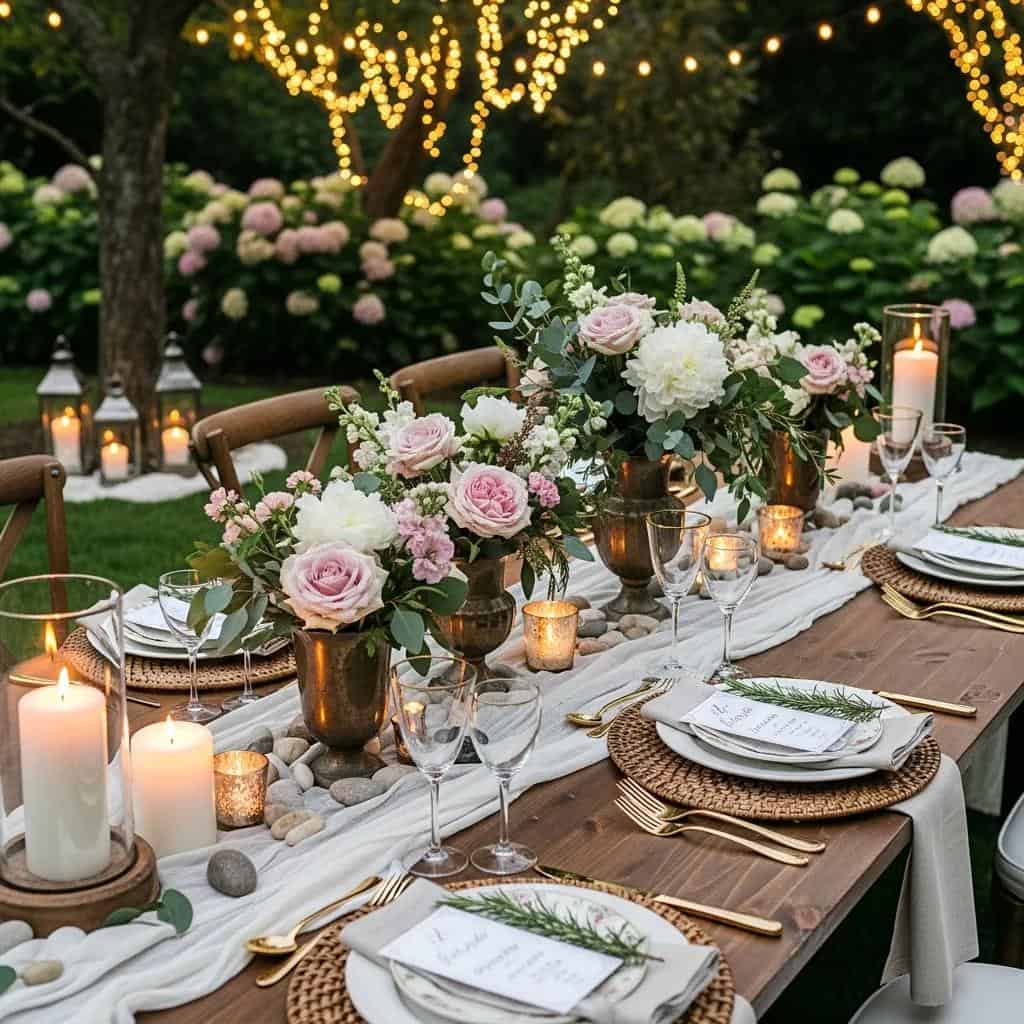
Designing garden wedding décor combines a clear theme, seasonal floral focal points, and layered lighting strategies so the venue’s natural features are enhanced rather than overwhelmed. Start by selecting a coherent theme
—rustic, bohemian, or elegant
—and choose a few focal pieces like a floral arch, ceremony aisle treatments, and table centerpieces that align with that concept. Layer lighting in three zones: ambient (string lights), task (pathway and bar lighting), and accent (up-lighting on trees) to extend the celebration into evening and highlight garden textures. Sustainable decor choices such as potted plants, rentals, and local florals reduce waste while preserving aesthetic impact.
The following list offers actionable floral and lighting ideas you can implement in a garden venue; use these to create focal points and mood without overwhelming the landscape.
- Floral arch at the altar: Frame vows with a seasonal floral arch matched to the aisle treatments.
- Low centerpieces with greenery runners: Keep sightlines open while echoing garden textures on the tables.
- Mason jar aisle accents: Use simple glass vessels tied to pews or chairs for an affordable rustic look.
- String lights overhead: Drape lights to create a warm canopy for evening receptions.
- Lantern clusters on pathways: Add safe, flicker-free lighting that guides guests after sunset.
- Uplighting for specimen trees: Accent large plants to create dramatic evening silhouettes.
These ideas balance aesthetics and practicality, and they lead naturally into eco-friendly swaps and sourcing tips described next.
What Are Popular Floral Arrangements and Lighting Ideas for Garden Weddings?
Popular floral arrangements for garden weddings center on a few focal placements: a floral arch for the altar, clustered aisle florals, and varied tabletop centerpieces that reflect seasonal availability. Arches work well with mixed greenery and a few key focal blooms to keep costs down while offering strong photographic frames, and low centerpieces paired with greenery runners allow conversation and sightlines across guest tables. For lighting, combine string lights for overall ambiance, compact lanterns for pathways, and targeted uplighting for specimen trees to create depth in evening photos. Seasonal flower swaps
—using locally available blooms
—maintain visual cohesion while controlling costs and supporting sustainable choices.
For those looking to delve deeper into the art and science of wedding floral arrangements, comprehensive guides offer invaluable insights into design principles and material handling.
Wedding Floral Design & Arrangement Guide
Principles of flower arranging are explained and applied. Identification of floral material and supplies commonly found in flower shops is explained with illustrations. Information on care, handling, and selling of flowers is provided. Following an introduction, chapter topics are: elements of design; cut flowers and foliage; mechanics, supplies, and safety; body flowers; decorating potted plants; table settings; wedding floral design.
Floral Design and Marketing., 1988
These practical arrangements support guest experience and photography, which makes it easier to incorporate sustainable, rustic materials that reduce waste without sacrificing style.
How Can You Incorporate Sustainable and Rustic Themes in Your Decor?
Incorporating sustainable and rustic themes means prioritizing reusable elements, locally sourced flowers, and natural materials that age gracefully in an outdoor setting. Choose potted plants for ceremony focal points that guests can take home or that can be replanted after the event to minimize waste, and source florals from nearby growers to reduce transport impact. Reuse vintage signage and wooden crates for rustic texture, and select biodegradable confetti or natural petal tosses instead of plastics. Renting linens, chargers, and glassware reduces single-use items and often costs less than purchasing for a single event.
These swaps maintain a cohesive rustic aesthetic while supporting eco-friendly wedding decor outdoor practices, and they set the stage for practical guest comfort measures described in the next section.
How Do You Ensure Guest Comfort and Enhance Their Experience?
Ensuring guest comfort at a garden wedding requires planning for terrain, climate, and on-site amenities so attendees can focus on the celebration rather than logistics. Address terrain issues in invitations
—note grassy lawns and suggest appropriate footwear
—while providing accessible seating and clear paths for those with mobility needs. Offer climate-appropriate amenities such as shaded lounges and hydration stations in summer, or blankets and heaters for cooler evenings, and position rest zones away from loud entertainment to allow conversation. Thoughtful signage and a clear welcome area improve guest flow and reduce confusion about ceremony timing and seating.
With guest comfort in mind, specific attire guidelines and pest-management measures make a big difference to attendee satisfaction, which the next subsections cover in detail.
The following attire guidance clarifies what guests should wear, balancing aesthetics and practicality for garden settings.
- Suggest terrain-appropriate footwear: Recommend wedges or block heels and note that stilettos may sink into grass.
- Encourage breathable fabrics in warm weather: Advise linen, cotton blends, or lightweight silk for summer ceremonies.
- Recommend layers for variable temperatures: Suggest a shawl or light jacket for evening events in spring or fall.
What Are Appropriate Attire Guidelines for Garden Wedding Guests?
Attire guidance for garden wedding guests should reflect the season and the venue surface to keep attendees comfortable and photo-ready without compromising safety. For grassy lawns, suggest guests wear wedges or block heels instead of stilettos to avoid sinking; flat dress shoes are always a safe choice. In warm months, recommend breathable fabrics like linen or lightweight cotton and encourage hats or sunglasses where appropriate, while cooler months call for layered looks and dressy outerwear. Include a short note on your invitation or event website describing dress code and terrain so guests can plan accordingly.
Clear attire guidance reduces last-minute discomfort and begins the guest experience on a positive note, leading into tactical pest-control and comfort amenities that preserve aesthetics.
How Do You Manage Pests and Provide Comfort Amenities Outdoors?
Pest management and comfort amenities should be both effective and discreet so they do not detract from a garden’s look and feel while protecting guest comfort. Use citronella lanterns or strategically placed fans to deter mosquitoes without overpowering scents near dining areas, and consider professional perimeter treatments timed close to the event date for higher-pressure pest areas. Provide hydration stations with labeled dispensers, shaded lounge areas with comfortable seating, and small amenity stations offering sunscreen and insect-repellent wipes in tasteful packaging. Coordinate timing for pest treatments and food service areas to keep bites and pests away from dining surfaces.
These measures protect guest experience without compromising the visual design, and they tie directly into planning and budgeting decisions that help you prioritize where to invest.
What Are the Essential Steps in Planning and Budgeting Your Garden Wedding?
A clear planning timeline and budget breakdown turn garden wedding planning into manageable milestones that reduce stress and ensure essential tasks
—permits, rentals, and vendor contracts
—are completed on time. Seven essential steps streamline the process: set your budget and guest count, choose a season and venue, reserve key vendors (caterer, tent rental, photographer), secure permits and insurance, finalize décor and rentals, confirm day-of logistics with vendors, and prepare a weather contingency plan. This structured sequence helps prioritize decisions and allocate funds to the elements that matter most for guest experience and photography.
The numbered steps that follow provide a HowTo-style breakdown to use as a working roadmap when building your planning checklist.
- Establish budget and guest list: Decide on maximum spend and estimated guest count to shape all other choices.
- Book venue and date: Secure your site early, especially for popular spring and fall weekends.
- Reserve core vendors: Contract caterer, tent rental, and photographer with clear timelines and deposits.
- Obtain permits and insurance: Confirm local permit needs; arrange event insurance if required.
- Plan rentals and decor: Lock in tent size, seating, lighting, and floral focal pieces.
- Confirm logistics: Create a vendor timeline and map for setup, parking, and emergency access.
- Finalize weather contingency: Ensure a backup plan for rain or extreme temperatures.
This sequence serves as a working planning checklist and ties directly into a practical budget allocation table that helps prioritize spending.
Below is a compact budget breakdown grid showing typical outdoor-specific line items, percent benchmarks, and quick saving tips to guide allocation decisions.
| Budget Line Item | Typical % of Budget | Cost-Saving Tip |
|---|---|---|
| Venue & Permits | 20–30% | Choose off-peak dates or smaller sites |
| Catering & Bar | 30–40% | Limit plated courses or select seasonal menus |
| Rentals (tents, tables) | 10–20% | Rent essentials and use decor rentals |
| Florals & Decor | 8–12% | Focus on focal pieces, use greenery |
This table clarifies where outdoor needs like tents and rentals affect the budget and suggests where to save without reducing guest experience.
What Should a Comprehensive Garden Wedding Planning Checklist Include?
A comprehensive garden wedding planning checklist breaks tasks into time-based milestones
—12+ months, 6–8 months, 1–3 months, 1–2 weeks, and day-of
—to ensure outdoor-specific tasks receive adequate lead time. Early tasks include booking venue and vendors, securing permits, and scheduling a site visit to plan electricity and vendor access. Mid-timeline tasks focus on rentals, decor decisions, and preliminary seating plans, while the final months lock in timelines, menu tastings, and weather contingency confirmations. The day-of checklist handles vendor coordination, final site checks for safety and drainage, and communication of last-minute adjustments to guests.
This tiered checklist reduces last-minute surprises and directly informs the budget and vendor negotiation strategies discussed next.
How Do You Budget Effectively for an Outdoor Wedding Celebration?
Budgeting effectively for an outdoor wedding emphasizes prioritizing guest experience elements
—shelter, climate control, food service
—while economizing on repeatable decor and rentals. Allocate a larger share to essentials like catering and tent rentals, and reduce floral costs by concentrating on focal pieces rather than table-by-table arrangements. Negotiate package deals with rental companies and consider weekday or off-season dates to lower base rates. Practical swaps include using potted plants instead of cut bouquets and renting linens and tableware rather than buying, which preserves quality while controlling expenses.
These budgeting strategies help you craft a realistic garden wedding budget breakdown and guide where to invest for maximum guest satisfaction.
How Can You Capture Your Garden Wedding Perfectly with Photography?
Capturing a garden wedding requires careful timing around natural light, scouting varied backdrops within the venue, and briefing photographers to prioritize both intimate details and wide landscape shots.
Golden hour
—roughly the hour before sunset
—offers flattering, warm light for portraits and is often the best time for couple photos. Scouting locations such as framed pathways, open lawns with even shade, and water features gives photographers options for diverse imagery that balances intimate closeups and expansive venue shots. Clear timelines and buffer windows in the schedule ensure photographers can adapt if weather or light timing shifts.
These photography priorities align with vendor scheduling and décor focal points, and the next subsection outlines the best times and spots for garden photos.
What Are the Best Times and Locations for Garden Wedding Photos?
The best times for garden wedding photos are pre-ceremony portraits in soft morning or late-afternoon light and couple portraits during golden hour for dramatic, warm tones. Open shade
—areas with even diffuse light
—creates flattering portraits without harsh shadows, while framed pathways and floral borders provide natural composition lines for ceremony and couple shots. Water features and specimen trees add texture and depth to images, and having an indoor backup location ensures consistent portraits if weather conditions force a move. Scheduling a short scouting walk with your photographer during the rehearsal or site visit reveals the best micro-locations.
Identifying these prime windows and locations helps photographers plan gear and lighting approaches, which the next subsection details in the form of a practical photographer brief template.
How Do You Work with Photographers to Highlight Your Outdoor Venue?
Working with photographers to highlight an outdoor venue starts with a concise brief that lists must-have shots, lighting considerations, and key moments tied to your timeline so they can allocate time for each scenario. Include a shot list covering ceremony wide shots, closeups of floral arch details, candid guest interactions, and golden-hour couple portraits, and indicate backup indoor photo locations for weather contingencies. Schedule a walk-through with your photographer during setup to mark power locations, shaded areas, and potential hazards, and build buffer time into the timeline for lighting adjustments or unexpected delays. Clear communication about décor focal points and vendor call times ensures photographic priorities align with event flow.
This collaborative approach secures a cohesive photography plan that captures both garden details and human moments without disrupting the celebration.